
Cultural perceptions of gambling How beliefs shape our choices and behaviors
The Historical Context of Gambling
Gambling has been a part of human culture for thousands of years, with evidence dating back to ancient civilizations such as the Romans and Greeks. In these societies, gambling often played a crucial role in social interactions, festivals, and even religious rituals. The acceptance or rejection of gambling was influenced by prevailing beliefs and values, which vary significantly across different cultures. For example, in some cultures, gambling was seen as a way to honor the gods, while in others, it was viewed as a vice that could lead to moral decay. It’s fascinating to see how places like Venus55 embody some of these traditions today.
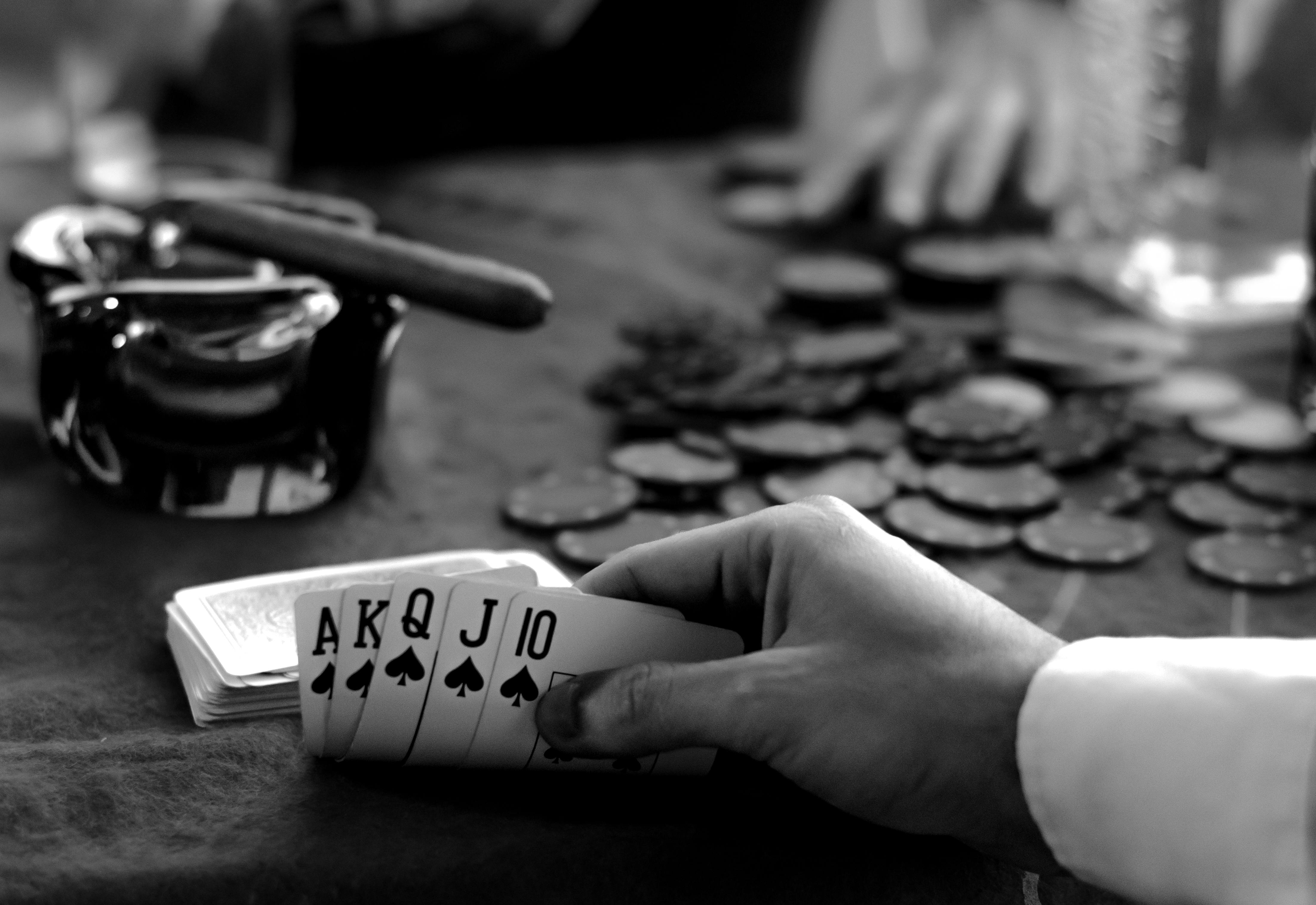
As societies evolved, the perception of gambling continued to shift. In the Middle Ages, for instance, gambling became heavily regulated, with many countries enacting laws to control or ban it altogether. This was largely due to the influence of religious institutions that deemed gambling sinful. However, with the rise of the modern era, there was a resurgence in gambling activities, supported by economic changes and the emergence of commercial casinos. This historical context is essential for understanding current attitudes toward gambling.
Today, gambling is a multi-billion-dollar industry, with cultural perceptions largely shaped by social norms, economic factors, and personal beliefs. In many Western countries, gambling is often seen as a legitimate form of entertainment, whereas in some Eastern cultures, it may still carry a stigma. This divergence highlights how historical contexts continue to inform contemporary views on gambling, revealing the intricate relationship between culture and behavior.
Cultural Differences in Gambling Perception
Cultural beliefs significantly influence how gambling is perceived and practiced around the world. For instance, in Australia, gambling is deeply ingrained in social culture, with poker machines and betting being common pastimes. This acceptance is reflected in the proliferation of venues offering gambling services, which cater to a population that often sees gambling as a form of leisure and social engagement. In contrast, countries like Japan have stricter regulations, where forms of gambling are limited, and social attitudes may consider it a less acceptable activity.
Moreover, in certain cultures, gambling is intricately tied to family and community dynamics. In some Indigenous cultures, for example, games of chance are integrated into community gatherings and celebrations, serving not just as entertainment but also as a means of strengthening social ties. Conversely, in cultures that stigmatize gambling, individuals may feel isolated or ostracized for participating in such activities, which can affect their choices and behaviors regarding gambling.
The impact of cultural perceptions is also evident in the way gambling is marketed and regulated. In some cultures, advertising for gambling products is prevalent, while in others, it is heavily restricted or banned. These regulations often reflect broader societal values about risk, chance, and morality, shaping not only individual choices but also collective behaviors surrounding gambling.
The Role of Beliefs in Gambling Choices
Beliefs about luck, chance, and fate play a crucial role in gambling decisions. Many players operate under the notion of luck, believing that winning is a result of favorable cosmic forces or personal charms. This belief can lead to behaviors such as superstitious practices, where players may wear lucky clothing or follow specific rituals to enhance their chances of winning. Such practices can often play into casino etiquette tips, as understanding the social dynamics of gaming is essential for any player.
On the other hand, some individuals approach gambling from a more analytical perspective, treating it like an investment. This belief system may prompt players to engage in research, strategizing, and statistical analysis to maximize their chances of success. However, this rational approach can sometimes mask the inherent risks involved in gambling, leading individuals to overlook the negative consequences associated with losses. The tension between these two belief systems—luck versus strategy—can create a complex interplay of behaviors among gamblers.
Ultimately, these beliefs shape not only individual choices but also communal practices. For example, if a community collectively believes in the idea of luck, this can normalize high-stakes gambling behaviors, leading to a culture that encourages risk-taking. Conversely, communities that emphasize responsible gaming and caution may cultivate an environment where gambling is approached with care and moderation, illustrating how beliefs can manifest into broader social norms.
Psychological Impacts of Gambling
The psychological effects of gambling are profound and varied. For many, the thrill of taking risks can lead to heightened excitement, which is often what attracts people to gambling in the first place. However, this excitement can quickly turn into addiction for some individuals, leading to harmful consequences such as financial ruin, strained relationships, and mental health issues. The prevalence of gambling addiction highlights the need for understanding the psychological triggers that can lead to compulsive behavior.
Moreover, the social stigma surrounding gambling addiction can prevent individuals from seeking help, further exacerbating the problem. Many cultures still view gambling as a moral failing rather than a psychological condition, which can perpetuate feelings of shame and isolation among those affected. This stigmatization not only impacts the individual but also extends to families and communities, creating a ripple effect of negative consequences that can last for generations.
Additionally, the psychological impact of gambling can be mitigated through education and support. Raising awareness about responsible gambling practices and providing resources for those in need can help shift cultural perceptions toward a more supportive approach. By framing gambling as a form of entertainment rather than a moral failing, societies can foster healthier attitudes and behaviors, ultimately benefiting individuals and communities alike.

Exploring Responsible Gaming with Venus55
Venus55 is an online casino that recognizes the importance of cultural perceptions in shaping gambling behaviors. Tailored for Australian players, it offers a wide array of games, including popular pokies and live dealer options. The platform is committed to promoting responsible gaming, ensuring that players can enjoy their experience without falling into harmful patterns. By providing resources and support for responsible gambling, Venus55 aims to create a safe environment for its users.
The site features a generous welcome bonus and supports various local payment methods, making it accessible and user-friendly for players. This emphasis on ease of use allows individuals to explore the vibrant gaming offerings without feeling overwhelmed. Moreover, Venus55 prioritizes fast payouts, further enhancing the overall experience for players seeking quick and efficient transactions.
Ultimately, Venus55 strives to be more than just an online casino; it aims to foster a community where gambling is enjoyed responsibly. By acknowledging the cultural perceptions that shape beliefs and behaviors, Venus55 actively contributes to a safer, more inclusive gaming environment, paving the way for a healthier relationship with gambling in the digital age.